Strawberry Hill garden rubbish removal local tips
If your garden in Strawberry Hill has reached that awkward stage where the pile of branches, turf, old pots, broken fence panels, and mystery bags just keeps growing, you are not alone. Garden waste has a habit of sneaking up on people. One weekend you trim a hedge; the next, the whole corner feels like a mini skip. These Strawberry Hill garden rubbish removal local tips are here to help you clear it properly, save time, and avoid the usual headaches that come with doing it the hard way.
In a place like Strawberry Hill, where homes can have compact side access, shared driveways, or neighbours very close by, the practical details matter. What you move first, how you bag it, where it sits, and whether anything needs special handling can make the difference between a neat same-day clearance and a messy, frustrating job. This guide walks through the local realities, the best methods, the mistakes to avoid, and the sensible next step if you want the lot gone without drama.
There is a simple truth here: garden rubbish removal is not just about "getting rid of stuff". It is about making the job tidy, lawful, efficient, and respectful of your space and your neighbours. That sounds obvious, but once you have wrestled with wet hedge cuttings on a damp morning, it feels a bit more real.
Why Strawberry Hill garden rubbish removal local tips Matters
Garden waste sounds harmless until it starts taking over paths, patios, and wheelie-bin space. In Strawberry Hill, where many homes balance outdoor space with limited storage and careful access, a pile of rubbish can become inconvenient quickly. Local tips matter because they help you work with the realities of the area rather than against them.
For one thing, garden waste is often bulkier than it looks. A few clipped shrubs can compress into one bag; wet leaves, old soil, and ivy roots can fill half a driveway. Then there is the awkward stuff: cracked terracotta, rotten sleepers, old planting troughs, timber edging, broken garden furniture, and the occasional rusty bit of metal that has been hiding behind the shed since who knows when.
There is also the neighbour factor. Narrow streets, shared access, parked cars, and school-run traffic can all make collection timing more important than people expect. A smart local approach means planning the collection window, keeping access clear, and making sure the waste is ready to load quickly. That is especially useful if you want to avoid blocking the pavement or leaving bags outside overnight.
Another reason this matters is environmental. Garden waste is often recyclable or compostable, but only if it is sorted sensibly. Mixed loads with plastic, soil, old tools, and treated timber need more careful handling. If you separate things properly, you increase the chance that useful material can be recovered rather than simply treated as general waste. If sustainability matters to you, it should, this part is worth doing right. You can also read more about the company's approach on recycling and sustainability.
How Strawberry Hill garden rubbish removal local tips Works
At its simplest, garden rubbish removal is a collection and sorting process: identify the waste, separate what can be reused or recycled, and move the rest in a safe, efficient way. The local part is about logistics. In Strawberry Hill, you are usually thinking about access, parking, timing, bag size, and how much can be lifted without damaging lawns, paving, or a narrow entrance.
A typical job starts with a quick assessment. Is it mostly green waste such as grass cuttings, branches, and hedge trimmings? Or is it mixed with heavier items like soil, broken slabs, or a dismantled shed? The answer matters because it affects labour, vehicle space, and disposal route. To be fair, the difference between "light garden tidy-up" and "mini landscaping aftermath" is often bigger than it sounds.
Then comes sorting. Good garden rubbish removal separates:
- Green waste such as cuttings, leaves, and twigs
- Hard garden waste such as broken pots, stones, and slabs
- Timber such as broken fencing, sleepers, and untreated wood
- Mixed household overflow such as old plant containers or packaging
- Problem items such as paint tins, chemicals, or sharp metal
Once sorted, the load is moved out in a way that suits the site. If access is tight, waste may be carried by hand or via smaller loads. If there is room, a vehicle can park closer and speed the job up. For larger clearances, it often helps to pair garden waste with other unwanted items from a garage or loft; that can make the whole day more efficient. If you are dealing with a broader property tidy-up, home clearance can be a useful related option.
Finally, the waste is taken for disposal, recycling, or transfer to the appropriate facility. If anything is classed as hazardous or awkward, it needs special handling rather than being mixed into a garden load. That is where professional judgement really matters.
Key Benefits and Practical Advantages
The obvious benefit is that your garden looks and feels usable again. But there are several less obvious advantages too. A cleared garden is easier to maintain, easier to plan, and less likely to attract pests or create safety hazards.
1. You get your space back. People often forget how much emotional relief comes from seeing a patio or lawn properly cleared. Suddenly there is room for a table, a compost bin, a raised bed, or simply some air. That change is bigger than it sounds.
2. The job gets done in one go. If you try to move everything bit by bit using a car boot, the project tends to drag on. Bags sit there. Weather interrupts. Motivation drops. A proper clearance is cleaner and usually much less stressful.
3. It reduces risk. Broken glass, rusty nails, thorny cuttings, and heavy bags can all cause avoidable injuries. Safe removal is not glamorous, but it beats a trip to the pharmacy because a rotten plank gave way.
4. You avoid overfilling bins. Garden waste can easily overwhelm ordinary household bins, especially after hedge cutting or a seasonal tidy. A planned clearance helps you stay on top of it rather than playing bin roulette for three weeks.
5. It supports better recycling. Mixed waste is harder to sort later. Thoughtful separation at the start gives more material a useful second life. If you need a broader waste solution, the waste removal page gives a sense of the wider service scope.
Expert summary: The best garden rubbish removal jobs in Strawberry Hill are not the fastest-looking ones at the start. They are the ones where access, sorting, and timing are thought through before the first bag is lifted. That little bit of planning saves a surprising amount of effort.
Who This Is For and When It Makes Sense
This kind of clearance is useful for a wide mix of people. Homeowners, landlords, tenants, property managers, and even small businesses with outdoor areas can all benefit from a more organised approach. If you have just finished pruning, landscaping, or clearing out an old shed, the need is obvious. But it also makes sense when the waste has built up gradually and become too much for normal disposal.
It is especially relevant if you have:
- A garden reset after winter or before summer entertaining
- Cuttings from hedge trimming or tree pruning
- Soil, turf, or rubble from a small landscaping project
- Old fencing, garden furniture, or broken planters
- A shed, garage, or side return that needs clearing as well
- Limited bin space or no easy way to transport waste yourself
It also makes sense when time matters. Maybe you are preparing for guests, maybe you are moving house, or maybe you simply want the garden usable again before the weekend. Let's face it, a tidy outdoor space is one of those things that instantly lifts the mood when you step outside with a mug of tea and the air actually feels calm.
If the job is part of a bigger clean-out, you may want to combine it with garage clearance or even house clearance so the whole property feels aligned rather than half-done.
Step-by-Step Guidance
Here is a simple, practical way to tackle a garden rubbish removal job in Strawberry Hill without making it harder than it needs to be.
- Walk the garden first. Do a full scan. Look for hidden items, sharp bits, wet waste, and anything that might need special handling. You will always find one surprise. Usually near the back fence.
- Separate waste by type. Put green waste, timber, hard materials, and general rubbish into different groups if possible. It speeds loading and makes disposal cleaner.
- Check access. Measure gates, note narrow paths, and remove anything that might snag or trip people. If a wheelbarrow has to pass a flower border, give it a bit of room.
- Decide what stays. Old pots, compost bins, and tools can be reused more often than people think. Not everything needs to go.
- Bag or bundle strategically. Use manageable sizes. Overstuffed sacks are miserable to carry and more likely to split. Nobody enjoys a grass-cutting explosion on the driveway.
- Keep hazardous items separate. Paint, chemicals, pesticide containers, and unknown liquids should never be mixed into ordinary garden waste.
- Load from nearest to farthest. Start with the items closest to the exit. It reduces backtracking and makes the space feel clearer as you go.
- Finish with a sweep. Check for nails, screws, thorny cuttings, and plastic ties. The last ten minutes matter most.
If you are planning the clearance in advance, it can help to check what can go in a skip so you understand the difference between accepted and restricted materials. Even if you are not using a skip, the guidance is still a useful benchmark.
Expert Tips for Better Results
Here are the small things that make a large difference.
Tip 1: Tackle wet waste early. Wet leaves and damp grass are heavier than they look. If possible, move them before they get wetter. A dry morning is your friend.
Tip 2: Don't mix soil with everything else. Soil is dense and can make a light-looking pile suddenly become far heavier. If you have a lot of it, keep it separate so you can judge the load properly.
Tip 3: Flatten what you can. Empty compost bags, collapsed pots, broken cardboard planters, and lightweight packaging should be compacted. It saves space and makes loading smoother.
Tip 4: Think about timing. In Strawberry Hill, traffic and parking can be easier at certain times of day. Early collection can sometimes save a lot of faff. Not always, but often enough to matter.
Tip 5: Protect surfaces. If you have a patio, deck, or narrow side passage, use boards or careful carrying techniques to avoid scuffs and mud marks. A muddy trail across pale paving is one of those little annoyances that lingers.
Tip 6: Bundle thorny cuttings safely. Rose clippings, hawthorn, and anything spiky should be tied securely. It saves bruised arms and awkward punctures in sacks.
Tip 7: Don't underestimate the sentimental stuff. Sometimes the garden waste pile includes old toys, a broken bench, or a planter the family has had for years. You may need a minute. That is normal.
For larger or mixed projects, it can be helpful to look at garden clearance as a broader service rather than treating each item separately. And if you are dealing with heavy furniture left outside, furniture disposal may be more relevant than garden waste handling alone.
Common Mistakes to Avoid
Most problems with garden rubbish removal come from a handful of predictable mistakes. The good news? They are all avoidable.
Leaving everything in one mixed pile. It feels efficient at first, but it usually slows the job later. A pile of branches, broken tiles, and plant pots is harder to lift and sort than separate groups.
Overfilling bags. Hefty bags are awkward, more likely to split, and slower to move through tight access. Smaller loads are often smarter. A bit less heroic, maybe. Much more practical.
Ignoring sharp or hidden items. Old nails in timber, broken glass in plant trays, and rusty wire can turn a simple tidy-up into a painful one.
Forgetting about access. A garden path that seems fine for one person may not be fine once several heavy loads need carrying through it. Check gate width, surface condition, and turning space before you start.
Mixing hazardous waste with green waste. That includes things like chemicals, old paint, and treated materials. They need careful handling and should not be thrown into an ordinary pile. If you are unsure, treat it as separate and ask before moving it.
Doing too much in one session. It is tempting to aim for the perfect "all gone by lunch" result, but fatigue makes people careless. A messy final hour can undo a neat first hour. Break it up if needed.
Tools, Resources and Recommendations
You do not need a truckload of equipment to clear garden rubbish well. In many cases, a few sensible tools are enough.
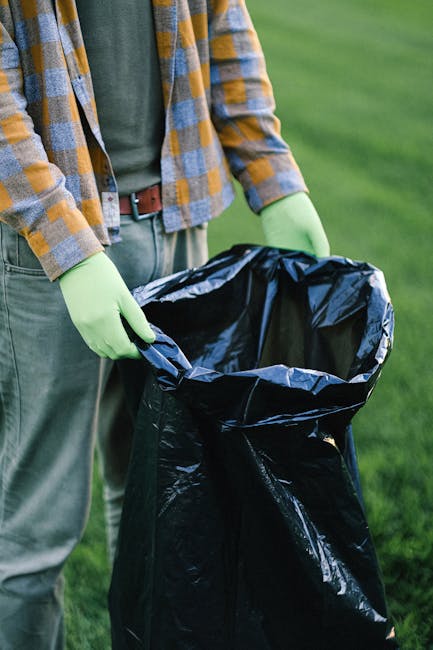
- Heavy-duty gloves for thorns, splinters, and rough edges
- Strong sacks or reusable garden bags for cuttings and light waste
- Wheelbarrow or sack truck for moving heavier loads
- Tarpaulin or ground sheet to collect debris from one area
- Sweepers, spades, and rakes for final clean-up
- Ties or twine for bundling branches and canes
From a planning perspective, the most useful resources are usually the ones already available on the service website. If you want to compare options, pricing and quotes can help you think through budget and scope. If you want to understand the business behind the service, about us is worth a look. And if you are ready to move quickly, the book online page is the most direct route.
If your garden clearance includes bulky household items, you may also want to review mattress and sofa disposal or fridge and appliance removal where relevant. Those items are not garden waste, obviously, but they often appear in the same "while we are here" clearance. That happens more often than people admit.
Law, Compliance, Standards, or Best Practice
Garden waste removal is not just a practical job; there are compliance and duty-of-care considerations too. In the UK, waste should be handled responsibly, and that means making sure it goes to an appropriate outlet rather than being dumped or mixed carelessly. If you are hiring someone to remove waste, it is sensible to ask how it is handled and whether the waste is transferred and processed properly.
For homeowners, best practice usually means not leaving waste on the pavement, not blocking access, and not placing anything out in a way that creates a trip hazard. In a busy local area like Strawberry Hill, that matters both for safety and for neighbour relations. A tidy collection is not just nicer to look at; it is more respectful.
Special items need extra care. Anything that could be classed as hazardous should be separated and treated accordingly. That includes chemicals, solvents, certain treated materials, and anything you are unsure about. If it smells odd, leaks, or has warning symbols, stop and check before moving it with the rest. No one wants to guess with that sort of thing.
It is also good practice to use an insured, organised service with clear processes around safety and handling. You can review related information on health and safety policy, insurance and safety, and hazardous waste disposal. That helps you understand the standards behind the service, not just the visible result.
Options, Methods, or Comparison Table
There is more than one way to clear garden rubbish in Strawberry Hill. The best option depends on how much waste you have, how quickly you need it gone, and how much lifting you want to do yourself.
| Method | Best for | Pros | Watch out for |
|---|---|---|---|
| DIY bagging and trips to the tip | Very small garden tidy-ups | Low cash cost, full control | Time-consuming, lifting, vehicle limits |
| Skip hire | Ongoing landscaping or larger amounts of mixed waste | Convenient on-site storage, flexible loading | Space needed, permit considerations, you still load it yourself |
| Man and van style collection | Quick, mixed, or bulky clearances | Fast, hands-off, ideal for access issues | Needs clear scope and accurate description |
| Combined clearance service | Garden waste plus house, garage, or loft items | Efficient, one appointment, one tidy-up | Works best when you know what is being removed |
If you are unsure which route suits you, think about three things: volume, access, and effort. A tiny pile of green waste with easy parking? DIY might be fine. A mixed pile of soil, timber, and broken garden furniture after a long-overdue clear-out? A professional collection is usually the calmer choice.
For a service that connects well with outdoor clearances, furniture clearance can be useful if your garden contains outdoor seating, storage units, or damaged patio furniture. It is a small detail, but it avoids the wrong waste stream.
Case Study or Real-World Example
Here is a realistic local-style example. A Strawberry Hill homeowner decides to clear a back garden after months of hedge growth and a small patio refresh. The waste includes trimmings, a few broken planters, old timber edging, and a bag of soil that turned out heavier than expected. There is also a cracked chair that had been sitting by the shed for ages, because apparently every garden has one.
At first, everything is piled together near the back gate. That would have been awkward to move in one sweep. Instead, the homeowner separates the green waste from the hard items, keeps the soil in smaller containers, and checks the route from the garden to the front. A couple of tight corners are identified early, so the heavier bits can be carried carefully rather than scraped along the wall.
The result is straightforward: faster loading, less mess, and no damage to the patio slabs. The garden ends up ready for a small table and a few new pots. Nothing dramatic. Just neat, usable, and no longer annoying every time they look outside.
That is the thing with a well-handled garden clearance. It does not need to be a grand transformation. Sometimes the win is simply walking out the back door and not being greeted by a pile of obligations.
Practical Checklist
Use this before collection day or before you start loading anything yourself.
- Walk the whole garden and identify all waste
- Separate green waste from timber, hard waste, and mixed rubbish
- Remove obvious hazards like broken glass, nails, and wire
- Check access gates, path width, and parking options
- Keep chemicals, paint, and unknown liquids separate
- Use strong bags or bundles that are easy to lift
- Protect patios, decks, and narrow passages
- Decide whether any items can be reused or donated elsewhere
- Confirm whether the job is only garden waste or part of a larger clearance
- Do a final sweep for debris, twigs, and sharp bits
If you are dealing with more than one area of the property, a combined approach can save time. For example, a garden tidy-up plus loft clearance or a general office clearance for a home business setup can be arranged more efficiently than piecemeal removals.
Conclusion
Strawberry Hill garden rubbish removal local tips are really about doing the simple things well: sort the waste, protect the access routes, avoid mixing risky items, and choose a method that suits the size of the job. When you keep those basics in mind, the whole process feels less like a battle and more like a satisfying reset.
For local homes, the best results usually come from thoughtful prep rather than brute force. A few extra minutes spent separating waste and checking access can save a surprisingly long afternoon. And once the space is clear, you really notice it. The garden breathes again. So do you.
If your clearance is bigger than a few bags, or if you simply want a smoother, safer result, it is worth speaking with a trusted local team that understands garden, household, and bulky waste properly.
Get a free quote today and see how much you can save.
Small changes outdoors can make the whole home feel lighter. That is the lovely part, really.
Frequently Asked Questions
What counts as garden rubbish in Strawberry Hill?
Garden rubbish usually includes grass cuttings, hedge trimmings, branches, weeds, leaves, old plants, soil, turf, broken pots, damaged timber, and worn-out garden items. If something came from the garden or outdoor space and no longer has a useful purpose, it probably falls into that category.
Can I put garden waste in normal household bins?
Small amounts may fit, but garden waste grows quickly and can be heavy, especially when wet. Most people find that regular bins are not enough for larger clearances, which is why a separate collection or skip-style solution is often more practical.
Do I need to sort green waste from other rubbish?
Yes, if you can. Separating green waste from timber, soil, and general rubbish makes collection easier and supports better recycling or disposal. It also helps avoid accidentally mixing in items that need different handling.
What should I do with soil and turf?
Keep soil and turf separate where possible because they are much heavier than light garden cuttings. If you have a large amount, it is worth planning the load carefully so it can be moved safely and without surprises.
Are broken plant pots and paving slabs garden waste?
They are often treated differently from green waste because they are hard materials. Broken pots, stones, and slabs should be separated so they can be handled as hard garden waste or mixed heavy waste rather than bundled with leaves and cuttings.
Can garden rubbish removal include old furniture?
Sometimes yes, but outdoor furniture is not the same as green waste. If you have chairs, tables, or storage units to remove as well, it may be better to treat them as furniture disposal or part of a wider clearance. That keeps the load more organised.
What should I avoid mixing with garden waste?
Avoid mixing chemicals, paint, unknown liquids, treated materials, sharp metal, and anything potentially hazardous. If you are unsure about an item, keep it aside until it can be checked. Better a separate pile than a problem later.
How do I make a garden clearance faster?
Sort items before collection, clear a good access route, use manageable bag sizes, and keep hazardous or awkward items separate. The cleaner the prep, the faster the actual removal tends to go. Simple, but true.
Is a skip better than a man and van collection?
It depends on the job. A skip can suit ongoing projects where you are generating waste over time. A collection service is often better for quick, one-off clearances or gardens with tight access. If in doubt, compare the volume and the amount of lifting you want to do yourself.
Do Strawberry Hill properties have any special access issues for waste removal?
Many local homes have narrower side access, on-street parking, or shared approaches that need a bit of planning. That does not make the job difficult, but it does mean it pays to think ahead about routes, timing, and loading points.
How do I know if a waste company is handling garden rubbish responsibly?
Look for clear information about waste handling, safety, and environmental practice. It is reasonable to ask how waste is sorted, where it goes, and whether hazardous or special items are handled separately. A professional provider should be comfortable answering that.
What is the safest way to move thorny or heavy garden waste?
Use gloves, keep bundles compact, and do not overfill bags. For thorny cuttings, tie them securely. For heavy waste like soil or rubble, use smaller containers and avoid lifting anything that strains your back. Your back will thank you later, honestly.