Business Waste Removal in Twickenham
Business waste removal in Twickenham should be straightforward, tidy and shaped around the way your premises actually operate. We handle general commercial clearances for offices, shops, workshops and other business sites, helping you move unwanted materials out of the way without turning the day into a disruption. The focus is on practical removal, sensible separation and a clean finish, whether you are clearing a single area or arranging a fuller site tidy-up.
Our service is built around the everyday waste streams businesses generate: mixed office contents, redundant furniture, packaging, broken fixtures, obsolete stock and similar non-hazardous items that need to be taken away responsibly. Where materials can be sorted for reuse, recycling or different disposal routes, we keep that in mind from the outset. That gives you a service that is both commercially efficient and easier to plan around when space, access and timing all matter.
For a clear starting point, look at the scope of our business waste removal service and the other disposal pages linked below where they match your job. If you already know the type of material, that helps us keep the process focused; if not, a short description is enough to begin with. Tell us what needs removing, and we can guide the next step. Request a quotation when you are ready.
Commercial waste removal for offices, shops and workspaces
 Business premises often need waste taken away in a way that fits around staff, opening hours and access limitations. Office clearances can include desks, chairs, filing cabinets, screens and mixed loose items, while retail or light industrial spaces may generate shelving, display units, packaging or damaged stock. We aim to remove these items with as little interruption as possible, keeping circulation routes usable and leaving the area ready for whatever comes next.
Where a business is clearing several rooms or a larger floorplate, the work is usually easier to manage in sections. That can mean separating reusable furniture from general waste, grouping heavier items for safer handling and identifying any materials that need special attention. If you are comparing options, our pages for office clearance and furniture disposal show related services that are often relevant when the main task is workplace clear-out rather than simple rubbish uplift.
What we remove from business premises
 Business waste can build up in lots of ordinary ways: a storage room fills with surplus items, a refurbishment leaves packaging behind, or old fittings are replaced during a reset. We can help remove many common non-hazardous items from commercial properties, including loose furniture, redundant office equipment, general rubbish and mixed contents that no longer have a place on site. The aim is to make disposal simpler without forcing you to sort every small item before asking for help.
- Office furniture such as desks, chairs, cupboards and filing units
- Retail and storage items including shelving, display stands and packaging
- Mixed commercial rubbish from clear-outs, reorganisations and moves
- Redundant household-style items where they are part of a business premise clearance
- Selected specialist items where the relevant disposal route is available and appropriate
For some jobs, the best fit is a dedicated page such as fridge and appliance removal or confidential shredding, especially when the items need a particular approach. In other cases, a broader collection makes more sense. If you are unsure how to classify the material, a short list is usually enough to begin with, and we can discuss the clearest route for the load.
Planning a collection around your business
Business waste removal is easier when access, lifting and timing are considered together. That does not mean you need a long brief; it simply helps to know what type of premises you have, where the items are located and whether there are stairs, narrow corridors, loading restrictions or shared entrances. Practical information like this helps set expectations before the work begins, which is useful when several people rely on the same working space.
Two details are especially helpful when requesting a quotation: an honest idea of quantity and a clear description of anything awkward to move. If you can say whether the items are bagged, boxed, stacked, dismantled or still in place, that gives a better picture of the labour involved. You do not need to over-prepare, but a little clarity makes the plan more accurate. When you are ready, use the main contact route and we will take it from there.
For many customers, the next decision is simply whether the work is a one-off clearance or part of a larger sequence of changes. A tidy office move, a storage-room reset and a shop refit all generate different material, but they can often be handled through a similar commercial removal approach. If you need to compare related services, the pages on builders waste clearance and home clearance may help clarify where business waste overlaps with other kinds of removal work.
Recycling, reuse and responsible disposal
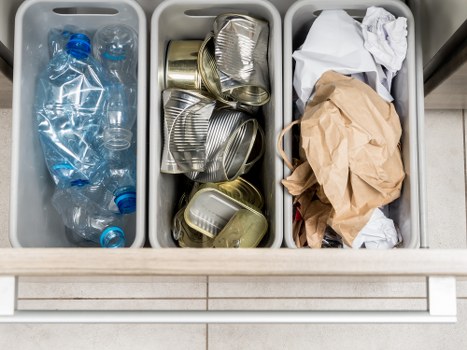 A good business waste removal service should do more than simply load items and leave. Where materials can be separated for recycling or reuse, that can reduce the amount sent to general disposal and make the overall process more considered. Not everything can be treated the same way, so the practical step is to sort by material and condition rather than assuming every item follows one route. That is especially relevant when furniture, metal, plastics and general rubbish are all mixed together.
Our recycling and sustainability page explains the wider approach to responsible handling. For businesses, this matters because clear disposal records and sensible sorting often matter just as much as speed. If your load includes items with different material types, we can factor that into the work so the right streams are identified rather than bundled together without thought. That keeps the service aligned with ordinary commercial expectations and avoids unnecessary waste of still-useful materials.
About Twickenham
Twickenham sits on the north bank of the River Thames in the London Borough of Richmond upon Thames and is best known for its association with rugby, riverside scenery and a mixture of historic and suburban streets. The area developed over many centuries as a Thames-side settlement, with its character shaped by the river, royal connections and the gradual spread of London to the west. Marble Hill, a Palladian villa completed in the eighteenth century, remains one of the district’s most distinctive historic buildings, while York House and its gardens add further architectural interest close to the riverfront. Twickenham Green gives the centre a broad open space, and the local street pattern still reflects the layering of older routes with later residential growth. The town also includes a number of churches, period houses and civic buildings that help create a varied built environment rather than a single uniform centre. Along the river, towpaths and waterside views are part of daily life, and nearby Eel Pie Island adds a notable island setting with its own place in the area’s cultural memory. Twickenham Stadium, just to the north of the town centre, is one of the most recognisable sporting landmarks in London and contributes strongly to the area’s identity. Across the district, there is a balance of residential streets, local shopping parades, parks and green edges, with Marble Hill Park and the wider riverside corridor providing open space and walking routes that connect many of the most familiar landmarks.
Furniture, fixtures and mixed items from commercial spaces
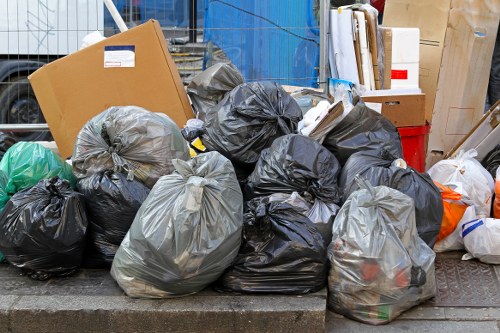 A business clearance often includes more than loose rubbish. Chairs, cabinets, tables, storage units, reception furniture and fitted fixtures can all become surplus when a layout changes. These items need to be handled in a way that suits their size, weight and condition. Where possible, separating them early can save time and make the collection more orderly, especially if some pieces are being reused elsewhere while others are no longer suitable for use.
When furniture is mixed with general office waste, it helps to think in terms of categories rather than single items. Large pieces may need dismantling, while smaller materials can be grouped for quicker loading. If you need a more specific route, the pages on furniture clearance, flat clearance and house clearance can be useful references because they show how different clearance jobs are organised around item type and access. That same logic can apply to business premises, even though the setting is commercial rather than domestic.
For mixed loads, the practical aim is to avoid needless handling. A space full of leftover stock, broken fittings and office furniture is easier to clear when the material is grouped sensibly and the route out of the building is clear. If you are planning changes to several parts of a premises, a single organised removal may be more efficient than dealing with each item separately. Keep the process simple, and ask for a quotation when the load is clear enough to describe.
Specialist disposal routes for selected business items
Some commercial waste does not fit neatly into a general clearance job. Large appliances, confidential paper records, older fixtures or particular bulky items may need a more specific route so they are handled correctly. In those situations, it is sensible to choose the service that best matches the material rather than forcing everything into one label. That makes the work clearer for everyone and reduces the chance of separating items later than necessary.
Relevant service pages include hazardous waste disposal, mattress and sofa disposal and garage clearance. Each one relates to a different kind of load or storage environment, and not every business job will need them, but they can be useful if your premises contain items that are awkward, bulky or unusually specific. The right choice depends on what is actually on site, not on a generic assumption about the business type.
Keeping the workplace organised before and after removal
Commercial clear-outs often happen alongside a move, refurbishment, stock change or office reconfiguration. In those cases, the value of the removal service is not only that items leave the premises, but that the space becomes easier to work in afterwards. That can mean clearing a corridor, opening up a storage room or making a reception area ready for new furniture. Good planning is simply about moving the right items at the right time.
If you are collecting several bits of information for a quotation, it helps to focus on what affects the removal itself: access, quantity, item type and any awkward placement. That is usually enough to get started. There is no need to overcomplicate the enquiry with every detail of the wider project. We can discuss the practical points that matter most and keep the rest of the process simple. When the job is ready, use the contact route that suits you best and ask for a quotation.
Other useful pages for commercial waste decisions
Some businesses need to compare a few different disposal options before choosing the best one. A premises full of old equipment may also contain paperwork, appliances or furniture, and each type of item can suggest a different route. That is why having clear service pages matters: it lets you match the job to the most appropriate handling method rather than guessing. The result is a more organised clearance and a better understanding of what is involved.
Useful related pages include waste removal, pricing and quotes and book online. If you need a broad removal, the general waste route may be the simplest starting point; if you are comparing cost or planning the timing of the work, the pricing page can help frame the discussion. For a final step, make an enquiry and we will help you move from plan to collection.