Transform Discarded Objects into Artistic Masterpieces with Upcycling
Transform Discarded Objects into Artistic Masterpieces with Upcycling
In today's fast-paced world, consumerism and waste have become ever-present issues. Landfills continue to grow as discarded objects pile up, often forgotten and deemed useless. But what if these objects could be given a second life--reborn as stunning works of art? Upcycling offers just that, presenting a creative and eco-friendly way to transform discarded objects into artistic masterpieces. In this article, we will explore the world of upcycling art, its benefits, creative techniques, prominent artists, inspiring ideas, and practical tips to help you start your own upcycling journey.
What is Upcycling and Why is It Important?
Upcycling is the creative process of converting discarded, unused, or waste materials into new, functional or decorative objects of higher value. Unlike recycling, which often breaks down materials to create new products, upcycling uses the original object and enhances it through artistic innovation.
The significance of upcycling goes beyond environmental preservation. It challenges us to rethink waste, sparks creativity, and can even carve out artistic careers. By embracing upcycling, you:
- Reduce landfill waste and carbon footprint
- Encourage resourcefulness and innovation
- Contribute to a more sustainable lifestyle
- Express yourself artistically using discarded objects
- Participate in a global movement for eco-friendly art
The Rise of Upcycled Art: From Trash to Treasure
Upcycled art, also known as reclaimed art or found object art, has evolved into a vibrant art form. Artists and hobbyists worldwide are now transforming discarded items like plastic bottles, tires, newspapers, metal scraps, and electronic waste into interactive installations, sculptures, and everyday objects with striking beauty.
History and Popularity
While the practice of reusing broken or old items for practical purposes has existed for centuries, the modern upcycling art movement gained prominence in the 1990s alongside increased environmental awareness. Today, upcycled masterpieces have found their place in galleries, street art scenes, homes, and public spaces. Transforming waste into art not only raises awareness about sustainability, but also invites viewers to question their relationship with materials and consumer habits.
Benefits of Transforming Discarded Objects into Artistic Masterpieces
- Environmental Impact: Upcycling reduces the demand for new materials, conserves natural resources, and minimizes pollution caused by manufacturing and waste disposal.
- Unique Artistry: Each upcycled piece is unique, telling a distinct story through the history of its materials.
- Affordability: Discarded items often have little or no cost, making upcycling art accessible to all.
- Community Engagement: Group projects and public upcycled installations can bring communities together and inspire collective action toward sustainability.
- Skill Development: Upcycling encourages skills such as problem-solving, craftsmanship, painting, sculpting, and design thinking.
Creative Techniques: How to Upcycle Discarded Objects into Art
Wondering how you can turn everyday waste into masterpieces? Here are some creative upcycling techniques to help guide your artistic process:
1. Assemblage Art
Assemblage is a technique where different objects--often unrelated--are assembled into a cohesive artwork. Old gears, wood scraps, bottle caps, and other components are joined with glue, screws, or wire to form intricate sculptures or bold wall pieces.
2. Functional Art
Combine form and function by transforming discarded objects into usable art. For instance, wooden pallets can become stylish furniture, while old jars make for quirky lamps.
3. Mosaics from Broken Items
Shattered ceramics and glass, bottle shards, and tiles are used to create colorful mosaics on mirrors, tables, or walls, breathing new life into otherwise unusable fragments.
4. Textile Upcycling
Unused clothes, textiles, and fabric scraps can be woven into decorative tapestries, quilts, or wearable art. Denim, T-shirts, and even plastic bags become raw materials for imaginative textile creations.
5. Painting and Mixed Media
Discarded objects such as pizza boxes, cardboard, or old canvases can serve as unconventional surfaces for paintings. Layering mixed media--paints, found objects, and photographs--creates rich, textured compositions.
6. Lighting Sculptures
Give old lamps, glass bottles, or metal wires new purpose by creating sculptural lighting pieces. String lights, LEDs, and creative wiring can transform discarded material into atmospheric light art.
Inspiring Artists Who Transform Discarded Objects into Masterpieces
Many renowned and emerging artists have built their careers around upcycled art. Their work not only astounds viewers with its beauty but also challenges conceptions about value, creativity, and sustainability.
- Bordalo II (Artur Bordalo): Using scrap metal and plastic, this Portuguese street artist creates enormous animal sculptures, highlighting environmental neglect and the impact of waste on wildlife.
- Jane Perkins: Known for her vibrant portraits, Perkins assembles discarded toys, buttons, jewelry, and household items to mimic famous paintings and pop culture icons.
- Subodh Gupta: This Indian artist uses stainless steel utensils and everyday kitchenware to create massive installations that reflect on consumption, tradition, and community.
- El Anatsui: Inspired by his African heritage, Anatsui uses discarded liquor bottle caps and metals to weave shimmering tapestries, blurring the distinction between sculpture and textile art.
- Michelle Reader: Focusing on recycled and reclaimed materials, Reader makes lifelike figurative sculptures that raise environmental awareness.
Step-by-Step Guide: Starting Your Own Upcycled Art Project
Read to transform discarded objects into your first artistic masterpiece? These simple steps can help jump-start your creative journey.
-
Collect Materials: Start gathering potential art materials from your home, workplace, community, or local recycling center. Look for items with interesting shapes, textures, and colors, such as:
- Plastic bottles, caps, and bags
- Cardboard, magazines, and newspapers
- Metal scraps, wire, and cans
- Wood pieces and pallets
- Old electronics, CDs, or computer parts
- Textile scraps, old clothes, or yarn
- Clean and Prepare: Sanitize and dry your materials. Remove labels, rust, or sharp edges as needed to ensure safety and cleanliness.
- Conceptualize Your Design: Decide what you want to create. Draw sketches or gather inspiration from online galleries and social media. Are you making a sculpture, a functional object, or wall art?
- Gather Tools and Supplies: Depending on your project, you may require glue guns, pliers, saws, sandpaper, paint, or sewing kits.
- Start Creating: Assemble, paint, sculpt, or sew your materials according to your design. Don't be afraid to experiment--upcycled art thrives on innovation and happy accidents!
- Finish and Display: Apply varnish, polish, or protective coatings as needed. Display your masterpiece at home, in public spaces, or even consider selling or donating your work.
Ideas to Inspire Your Next Upcycling Art Project
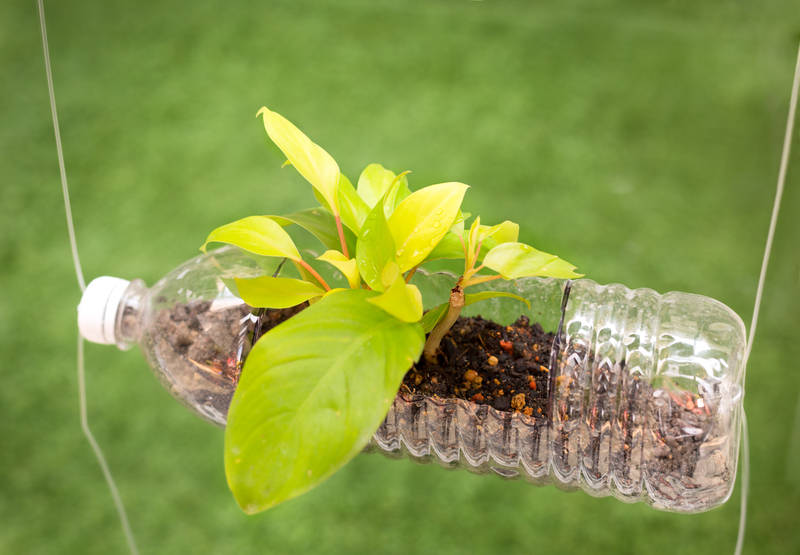
- Plastic Bottle Sculptures: Cut, shape, and decorate old bottles to create flowers, chandeliers, or intricate models.
- Furniture Revamps: Transform an old ladder into a bookshelf, or repurpose a wooden door into a unique coffee table.
- Textile Creations: Weave plastic bags into rugs, or create patchwork wall hangings from old T-shirts.
- Artwork from Scrap Metal: Weld or assemble metal gears, springs, and bolts into futuristic sculptures or garden art.
- Mosaic Mirrors: Adorn old mirrors with fragments of broken tiles, CDs, or glass.
- Bottle Cap Murals: Collect colorful caps to form vast, pixelated murals or decorative wall art.
- Recycled Electronics: Use circuit boards and wires to craft modern abstract art or retro tech sculptures.
Tips for Successful Upcycling and Artistic Transformation
- Plan Ahead: Have a clear vision for your project, but remain open to spontaneous inspiration.
- Mix Materials: Blend different textures and colors for visually engaging creations.
- Think Sustainability: Use non-toxic adhesives and paints where possible.
- Share Your Work: Take photos and post them online or participate in local art shows to inspire others to reuse and create.
- Collaborate: Join artist collectives or upcycling workshops for new ideas and techniques.
- Stay Safe: Wear protective gear when cutting, sanding, or dealing with sharp or hazardous materials.
Where to Find Discarded Objects for Upcycling Art
You might be surprised at how much useful material goes unnoticed in our day-to-day lives. Here are places to find inspiration and materials for your upcycling art:
- Household waste (kitchens, garages, attics)
- Local recycling centers
- Flea markets and thrift stores
- Construction, carpentry, or auto workshops (with permission)
- Community swap events
- Online classifieds (Freecycle, Craigslist, Facebook Marketplace)
The Environmental and Social Impact of Upcycled Art
Upcycling does more than simply reduce waste. It offers solutions to pressing environmental issues, encourages sustainability education, and supports local economies. Artists who transform discarded objects into masterpieces spark dialogue about overconsumption, shifting cultural norms toward mindful resource use. Even small community upcycling initiatives can have a far-reaching and positive impact.
The Future of Upcycling: Trends and Innovations
As concerns over sustainability continue to grow, upcycling is attracting designers, engineers, and manufacturers in addition to artists. New trends include:
- 3D printing with recycled plastics for bespoke sculptures and practical items
- Bio-based materials blended with recycled waste for eco-friendly art and design
- Smart upcycling that incorporates digital technology and sensors into interactive art
- Crowdsourced installations made from community-collected waste
The beauty of upcycling lies in its creative potential--anyone can begin with simple tools and passion for turning discarded objects into beautiful art.
Conclusion: Reimagine, Reclaim, and Create with Upcycling
Upcycling transforms the ordinary--bits of trash, forgotten relics, broken trinkets--into extraordinary artistic masterpieces. Whether you're an established artist or a curious beginner, you can make a difference by rethinking waste and embracing creative reuse. The next time you're about to throw something away, pause and imagine the possibilities. You just might hold the raw material for your next masterpiece.
Ready to join the eco-art revolution? Start collecting battered treasures, let your creativity flow, and help transform our world--one discarded object at a time.
```