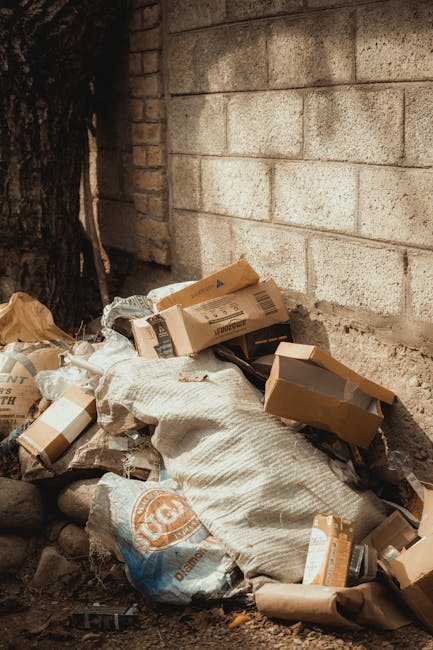
Whitton estate rubbish collection guide for bulky items

If you are dealing with an old sofa in the hallway, a broken wardrobe in the spare room, or a fridge that has somehow become a permanent feature of the kitchen, you are in the right place. This Whitton estate rubbish collection guide for bulky items is designed to help you clear large, awkward waste without the usual stress, confusion, or last-minute panic. Bulky item collection sounds simple until you're trying to move something heavy down a narrow staircase at 7:30 on a wet weekday morning. Then it becomes a different story.
In this guide, you'll learn what counts as bulky waste, how collection and removal typically work on estates in and around Whitton, what to prepare before the team arrives, and how to avoid the common mistakes that can slow everything down. We'll also cover useful comparisons, practical checks, and a few real-world tips that make the whole thing feel far less like a hassle.
Why Whitton estate rubbish collection guide for bulky items Matters
Bulky waste is not just "bigger rubbish". It usually needs more planning, more lifting care, and a clearer understanding of what can and cannot be taken in one go. On a Whitton estate, that matters even more because access can be tight, parking can be limited, and communal walkways can get cluttered quickly if items are left out too early. Nobody wants a sofa wedged near a front entrance while people are trying to get on with their day.
This guide matters because large-item disposal touches a few different concerns at once: safety, time, cost, and responsibility. A bulky collection done well saves effort and reduces the chance of damage to walls, lifts, floors, and stair rails. Done badly, it can mean missed collections, extra charges, or waste left sitting there longer than you expected. Truth be told, bulky rubbish has a way of turning a simple room refresh into a small logistical puzzle.
There is also the environmental side. Choosing the right removal method can improve recycling and keep reusable items out of the wrong stream. If you are already thinking about a broader clear-out, it may help to look at related services such as furniture disposal or general waste removal, especially when your bulky items are part of a larger home or estate tidy-up.
How Whitton estate rubbish collection guide for bulky items Works
The process is usually more straightforward than people expect, but there are a few moving parts. Most bulky item collection jobs follow a simple pattern: identify the items, check access, get a quote or booking, prepare the waste, and then have it removed in a single visit where possible. That last bit is what most people want. One visit. No drama.
On a Whitton estate, access planning often matters as much as the waste itself. Are the items on the ground floor or up several flights of stairs? Is there a lift? Can a van stop close enough to the entrance? Are there any estate rules about parking, noise, or when waste can be placed outside? These details can change the time and effort required, even if the actual pile looks modest from the sofa.
Bulky collections also tend to work best when the items are grouped together and made easy to identify. For example, if you have a mattress, bed frame, and chest of drawers, keeping them in one area helps the crew work faster and safer. If there are mixed materials, such as metal bed frames, wood furniture, and appliance waste, a good provider can usually separate items for the correct processing route. If you are disposing of white goods, take a moment to review fridge and appliance removal so you understand what makes those items different.
Some items may need special handling. A fridge, a sofa soaked from storage damage, or anything potentially hazardous is not the same as an ordinary table. If you are unsure, a reputable waste team will normally explain the safest route. Better to ask than guess. Guessing with waste is rarely a strong strategy, let's face it.
Key Benefits and Practical Advantages
The main benefit of a proper bulky rubbish collection is simple: it gets awkward things out of your way without you having to wrestle them through the building yourself. But there's more to it than convenience.
- Less lifting risk: Large items are hard on backs, hands, and doorframes. Professional removal reduces that strain.
- Cleaner shared spaces: On estates, keeping hallways and entrances clear helps neighbours and avoids complaints.
- Faster clear-outs: One organised visit is much easier than several DIY trips to a disposal site.
- Better sorting: Reusable, recyclable, and general waste can often be separated more effectively.
- Less disruption: With a good plan, the job feels calm rather than chaotic, which is no small thing when your weekend is already full.
There is also a hidden benefit that people appreciate only after the job is done: mental space. A large unwanted item can sit in a room for weeks, taking up not just physical room but attention. Once it's gone, the place feels more open, lighter, and easier to use. Small difference, big relief.
If your clear-out includes furniture, sofas, or awkward living-room items, you might also find mattress and sofa disposal useful for understanding how those heavier household items are typically handled.
Who This Is For and When It Makes Sense
This guide is useful for homeowners, tenants, landlords, letting agents, and anyone on a Whitton estate dealing with larger rubbish that won't fit in an ordinary bin. It also makes sense for people who are moving out, replacing old furniture, clearing a spare room, or dealing with post-renovation clutter.
It especially suits you if:
- You have one or more bulky items blocking a room, hallway, or storage space.
- You need the waste removed from a flat or estate property with limited access.
- You want a quick, organised collection rather than multiple trips in a car or van.
- You are unsure whether something should go to general waste, recycling, or a specialist route.
- You need the area left tidy afterwards, not just emptied.
Sometimes the tipping point is practical. A wardrobe doesn't feel huge until you have to angle it round a corner. A mattress doesn't seem like much until you're carrying it in the rain. That is usually when people decide enough is enough and book a proper collection. Sensible, honestly.
Step-by-Step Guidance
Here is a clear way to approach bulky item collection without overcomplicating it.
- List what needs to go. Write down the item type, quantity, and whether it is broken, intact, or partly dismantled.
- Check access. Note stairs, lifts, parking restrictions, gate codes, and any narrow internal routes.
- Separate the waste by type. Keep furniture, appliances, garden waste, and any potentially hazardous materials apart where possible.
- Measure the awkward items. A quick tape measure can save a lot of guesswork. It's amazing how often "it should fit" turns out not to.
- Photograph the load. Pictures help with quoting and reduce surprises on the day.
- Book the collection. Choose a time that gives you room to prepare, especially if the collection point is in a shared area.
- Clear the route. Move shoes, lamps, bins, and other small obstacles out of the way.
- Confirm what happens next. Ask where the waste will go, whether anything can be reused or recycled, and how payment works.
If your bulky items are part of a larger household or property clearance, it may be worth looking at home clearance or house clearance so the wider job is handled in one structured visit.
Expert Tips for Better Results
In our experience, the best bulky collections are the ones that are prepared a little better than strictly necessary. Not obsessively prepared. Just enough. That sweet spot matters.
Tip 1: Dismantle what you safely can. Flat-pack furniture, bed frames, and some shelving units are easier to move when taken apart. Just keep screws and fittings in a labelled bag if you may reuse them later.
Tip 2: Keep soft furnishings dry. A soggy mattress or fabric sofa can be harder to handle and may smell unpleasant, especially if it has been in storage or outside overnight. Not ideal for anyone.
Tip 3: Make sure the route is obvious. If the waste is in a back garden, loft, garage, or storage cupboard, tell the team in advance. A five-minute delay at the entrance can turn into a twenty-minute shuffle if nobody knows where the items are.
Tip 4: Ask about separation. If you have mixed items, ask whether any can be diverted for recycling or reuse. This is especially relevant for furniture, appliances, and metal items.
Tip 5: Keep hazardous material out of the pile. Paints, oils, chemicals, batteries, and some DIY leftovers should be handled separately. If there is any doubt, check a specialist route rather than putting it with bulky waste. For that kind of waste, review hazardous waste disposal first.
A small human tip as well: if you know the job will happen first thing in the morning, set everything out the night before. You'll thank yourself at 8 a.m. when the kettle is on and the hallway already looks half-normal again.
Common Mistakes to Avoid
Most problems with bulky rubbish collection are completely avoidable. The frustrating thing is that they're usually caused by simple oversights.
- Leaving everything until the last minute. That often leads to poor sorting and rushed access planning.
- Not checking estate rules. Some buildings are stricter than people realise about parking, loading, and placement of waste.
- Mixing hazardous and non-hazardous items. This can delay the job and create a compliance issue.
- Underestimating item size. A cabinet that looks manageable on its own can become awkward once it reaches a stairwell.
- Forgetting about special items. Fridges, mattresses, and some upholstered furniture may need specific handling.
- Blocking the route. Even a few bags, scooters, or coat stands can make the job less efficient.
One very common mistake is assuming bulky waste can just be left in a communal area and dealt with later. In real life, that often creates complaints, trip hazards, and a bit of local tension. Nobody needs that.
Tools, Resources and Recommendations
You do not need much equipment to prepare for a bulky item collection, but a few simple tools make life easier.
- Tape measure: Handy for checking whether items will fit through doors or down stairs.
- Marker pen and labels: Useful if you are dismantling items or separating screws and fittings.
- Gloves: Good for minor sorting work, especially if there are splinters or rough edges.
- Phone camera: Helps you share photos and get a more accurate quote.
- Basic screwdriver or hex key: Often enough to take apart bed frames or flat-pack furniture.
If you are comparing ways to get rid of items, it helps to read a little more around related services. For example, furniture clearance is useful when several pieces need to go together, while garage clearance can be a better fit if the bulky waste is sitting alongside boxes, old tools, and general clutter.
For larger domestic or mixed-property jobs, loft clearance may also be relevant, especially if the bulky item has been stored away and forgotten for a while. We've all got that one item hiding upstairs, taking up rent-free space.
Law, Compliance, Standards, or Best Practice
For bulky waste, the main thing is to follow responsible disposal practice. In the UK, waste should be handled by a provider that is authorised to carry it, and it should be transferred to the correct facility or processing route. If you are using a waste carrier, it is sensible to ask how waste will be handled and whether items will be recycled where possible.
If you are a tenant or landlord on an estate, you may also have local or building-level responsibilities. That can include keeping communal areas clear, avoiding nuisance, and making sure no one is left with a fire escape blocked by old furniture. These are not minor details. They are part of good household and building practice.
For larger jobs or commercial premises, clear documentation and predictable handling matter even more. If you are dealing with business premises, it is worth reviewing business waste removal as part of your planning. If you also care about sustainability, the page on recycling and sustainability is a useful reference point for the wider disposal approach.
Best practice also means being honest about what is in the load. If an item has chemicals, concealed waste, or sharp components, say so. It saves time and helps keep everyone safe. Simple, but vital.
Options, Methods, or Comparison Table
There are a few different ways to deal with bulky items on a Whitton estate. The best one depends on volume, access, urgency, and what the items are made of.
| Method | Best for | Pros | Limitations |
|---|---|---|---|
| Bulky item collection | One-off large items or mixed bulky loads | Fast, convenient, reduced lifting, often tidier finish | May require access planning and clear item descriptions |
| DIY transport | Small loads and people with a suitable vehicle | Flexible timing, direct control | Hard work, potential damage, multiple trips, time-consuming |
| Skip hire | Larger mixed projects or ongoing clear-outs | Good for sustained waste generation, simple onsite storage | Space needed, permit considerations, not ideal for some bulky items alone |
| Specialist disposal | Appliances, sofas, hazardous or awkward materials | Correct handling and better compliance | Not suitable as a catch-all solution |
If you are deciding between a collection and a skip, the guide on what can go in a skip can help you understand what fits where. That comparison matters more than people think. The wrong choice can mean wasted space, wasted money, or both.
Case Study or Real-World Example
A typical Whitton estate scenario might look like this: a resident is replacing a bed, wardrobe, and old armchair after moving into a new flat. The items are all bulky, the staircase is tight, and the hallway is shared. The resident also has a broken microwave and a heavy chest of drawers that has been sitting in storage for months.
Instead of trying to carry everything down in one go, the items are photographed, grouped by type, and checked for any special handling needs. The wardrobe is partly dismantled, the screws are bagged up, and the route to the front door is cleared before collection day. The appliance is separated so it can be handled correctly, and the fabric chair is kept away from damp surfaces. The result is a calmer job, less risk of damage, and a faster exit from the building.
What makes this approach work is not magic. It's simply preparation. The job feels smaller because it has been broken into sensible steps. That's often the difference between a smooth collection and a stressful one.
Practical Checklist
Use this checklist before your bulky item collection. It keeps things simple and avoids those annoying day-of problems.
- Identify every bulky item that needs to go.
- Separate ordinary furniture from appliances and hazardous materials.
- Take photos of the items and the access route.
- Measure anything especially large or awkward.
- Check lifts, stair access, parking, and estate rules.
- Dismantle safe-to-dismantle items where possible.
- Bag loose screws, brackets, and fixings.
- Clear the route from the item location to the exit.
- Confirm booking details, timing, and payment expectations.
- Keep children, pets, and other residents out of the collection path.
- Make sure the waste is ready before the crew arrives.
- Ask what happens to reusable or recyclable items.
That last step is worth asking. It tells you a lot about how the provider operates.
Conclusion
A well-planned Whitton estate rubbish collection for bulky items does more than remove an unwanted object. It restores space, reduces risk, and makes the property feel easier to live in again. Whether you are dealing with a single heavy sofa or a cluster of furniture, the same principles apply: prepare clearly, separate anything specialist, and choose a method that suits the access and the load.
The best results usually come from the simplest habits. Measure first, ask questions early, and don't leave awkward items sitting in communal areas longer than needed. It really can be that straightforward. And once the clutter is gone, the room tends to feel brighter, quieter, and far more usable, which is a lovely thing on an ordinary Whitton afternoon.
If you want a more structured next step, compare your options, review the relevant service pages, and make sure the collection plan matches your building access and the type of waste you have.
Get a free quote today and see how much you can save.
Frequently Asked Questions
What counts as bulky waste on a Whitton estate?
Bulky waste usually means items that are too large or awkward for normal household bins, such as sofas, mattresses, wardrobes, tables, beds, and large appliances. The exact handling depends on what the item is made from and whether it needs special treatment.
Can I leave bulky items in a communal area before collection?
Usually not for long, and often not at all without permission. Communal spaces need to stay clear for safety and access. It is better to keep the items inside until the collection is due or follow the estate's rules carefully.
How do I prepare a bulky item for collection?
Clear access, dismantle what you safely can, separate different waste types, and take photos if you need a quote. If the item is especially heavy or has sharp edges, tell the provider in advance.
Are fridges and other appliances handled differently?
Yes, they often are. Appliances can contain components that need careful treatment, so they should not always be mixed in with standard furniture waste. A specialist appliance route is usually the safer choice.
What if my bulky item is upstairs or in a loft?
That is very common, and it simply needs planning. Tell the collector about stairs, loft access, and any tight turns so they can judge the job properly. It helps avoid delays and surprises on the day.
Is bulky item collection better than hiring a skip?
It depends on the job. For a few large items, collection is often simpler and more efficient. For ongoing renovation waste or a bigger mixed load, a skip may make more sense. The right answer depends on space, volume, and access.
Can furniture be reused or recycled?
Sometimes, yes. If furniture is in usable condition, or can be separated into recyclable parts, that may be possible. It depends on the item and the provider's processing route.
How long does a bulky waste collection usually take?
That depends on access, item size, and how much is being removed. A single accessible item can be quick, while several heavy items from upper floors will naturally take longer. Good preparation usually shortens the visit.
What should I not put with bulky waste?
Avoid mixing in hazardous materials such as paints, chemicals, oils, batteries, or anything you are unsure about. Those items may need a separate disposal route for safety and compliance reasons.
Do I need to be present during collection?
Often, yes, especially if access needs to be explained or items are in different locations. Some collections can be arranged with clear instructions, but being present is usually the simplest option.
How can I keep the cost down?
Prepare the items well, separate waste types, and provide accurate details up front. Clear access and good photos can also help prevent unexpected extras. The more organised the load, the smoother the job tends to be.
What if my bulky item is damaged or waterlogged?
Say so in advance. Damaged or wet items can be heavier, messier, and sometimes harder to handle safely. That is not a reason to panic, but it is useful information for planning the collection properly.